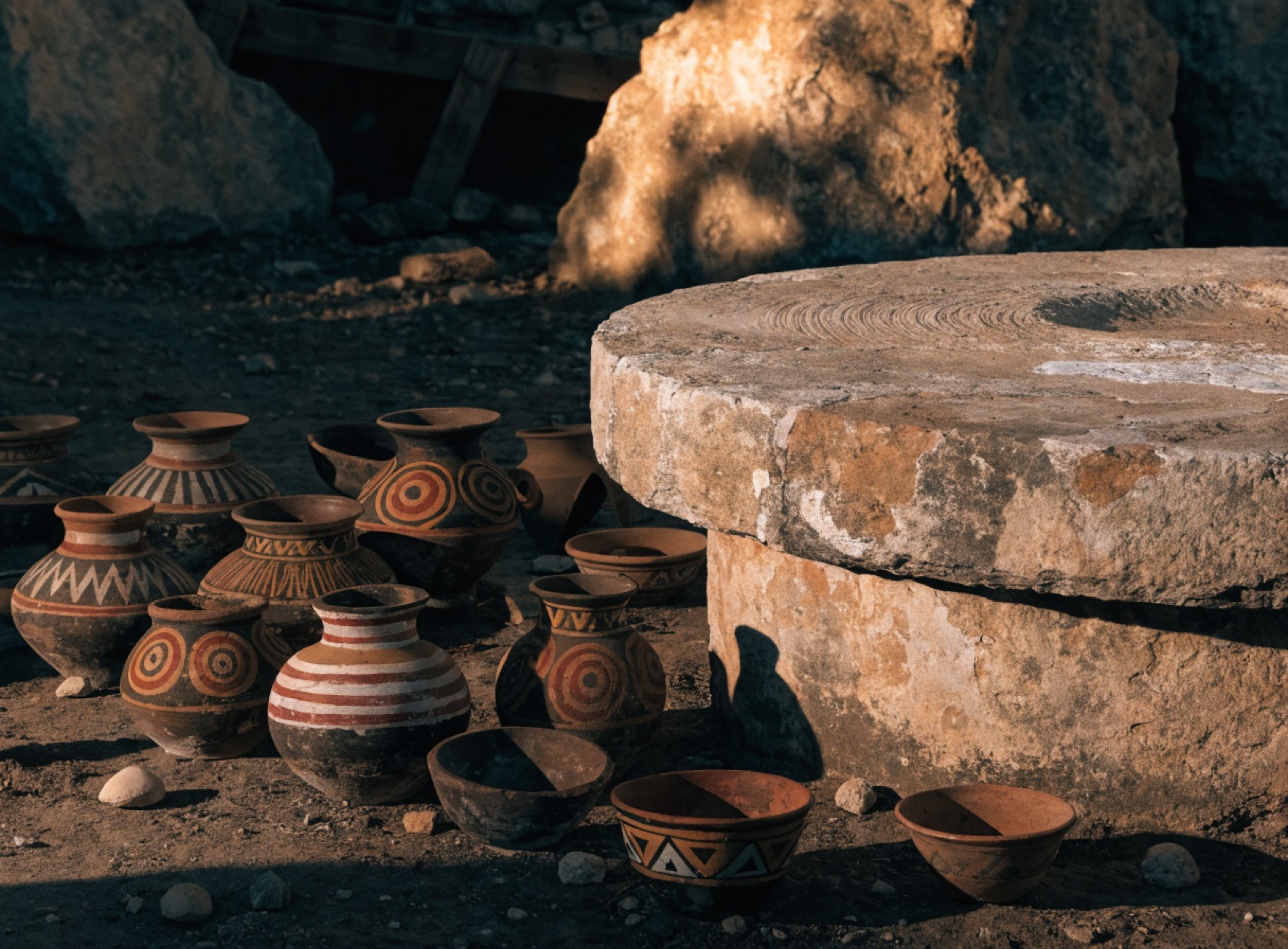
10th–8th c. BCE
First traces
Proto-Geometric pottery found between the altar and the temple front is the earliest evidence of sacred activity in the valley.

From Proto-Geometric pottery to Roman grandeur and the silence beneath the earth: the thousand-year story of an oracle.
Klaros was the sanctuary of the city of Colophon, about two kilometres from the harbour town of Notion and twelve from Colophon itself.
This oracle of Apollo Clarius was ruined, rebuilt and finally lost beneath the alluvium of the Ales stream. Here is the short chronology of those ages.
Scroll left to right.
Proto-Geometric pottery found between the altar and the temple front is the earliest evidence of sacred activity in the valley.
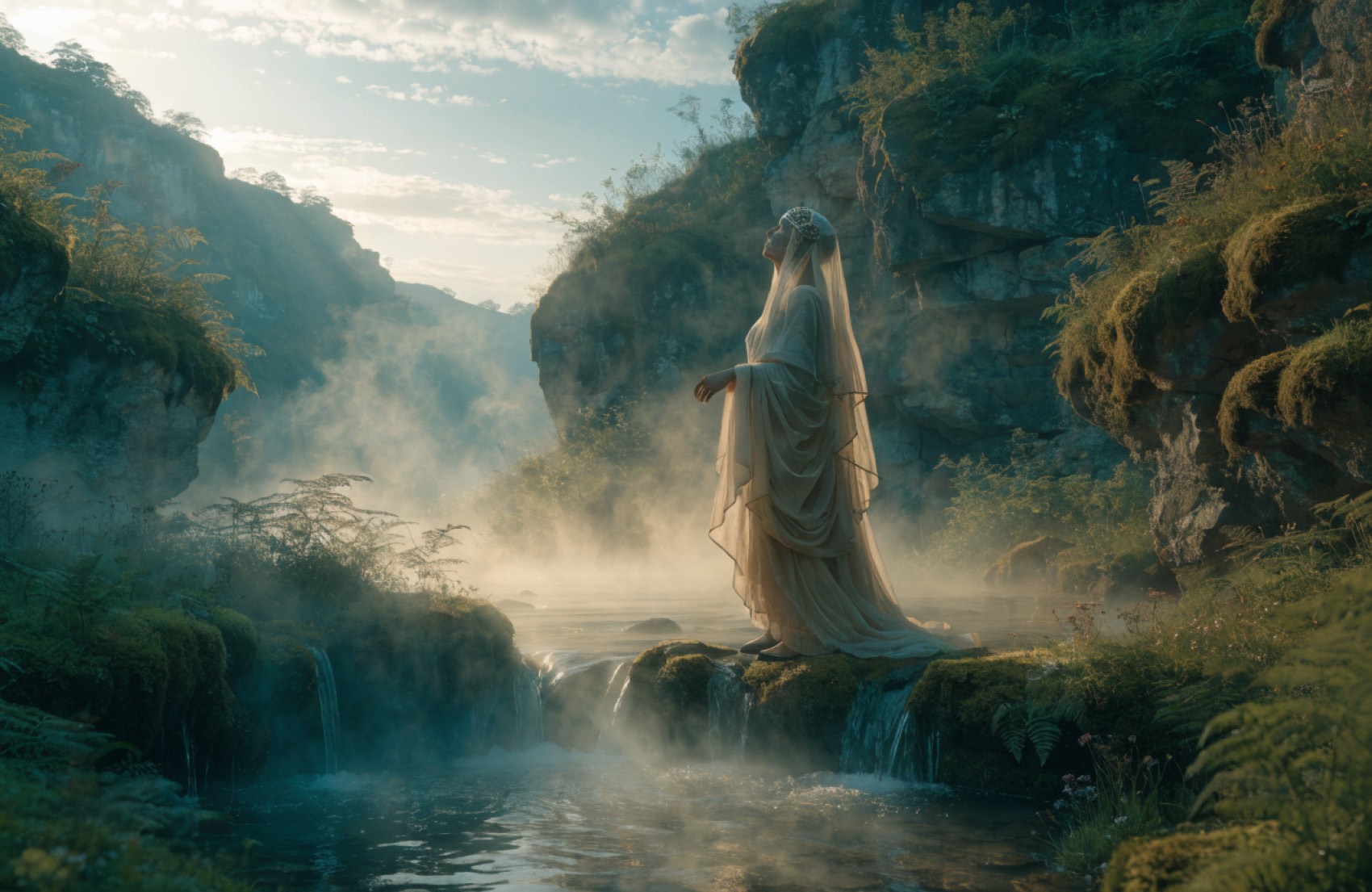
The cult of Apollo Clarius is founded; the first round altar is built. Legend holds that Manto and her son Mopsus began the tradition of prophecy.
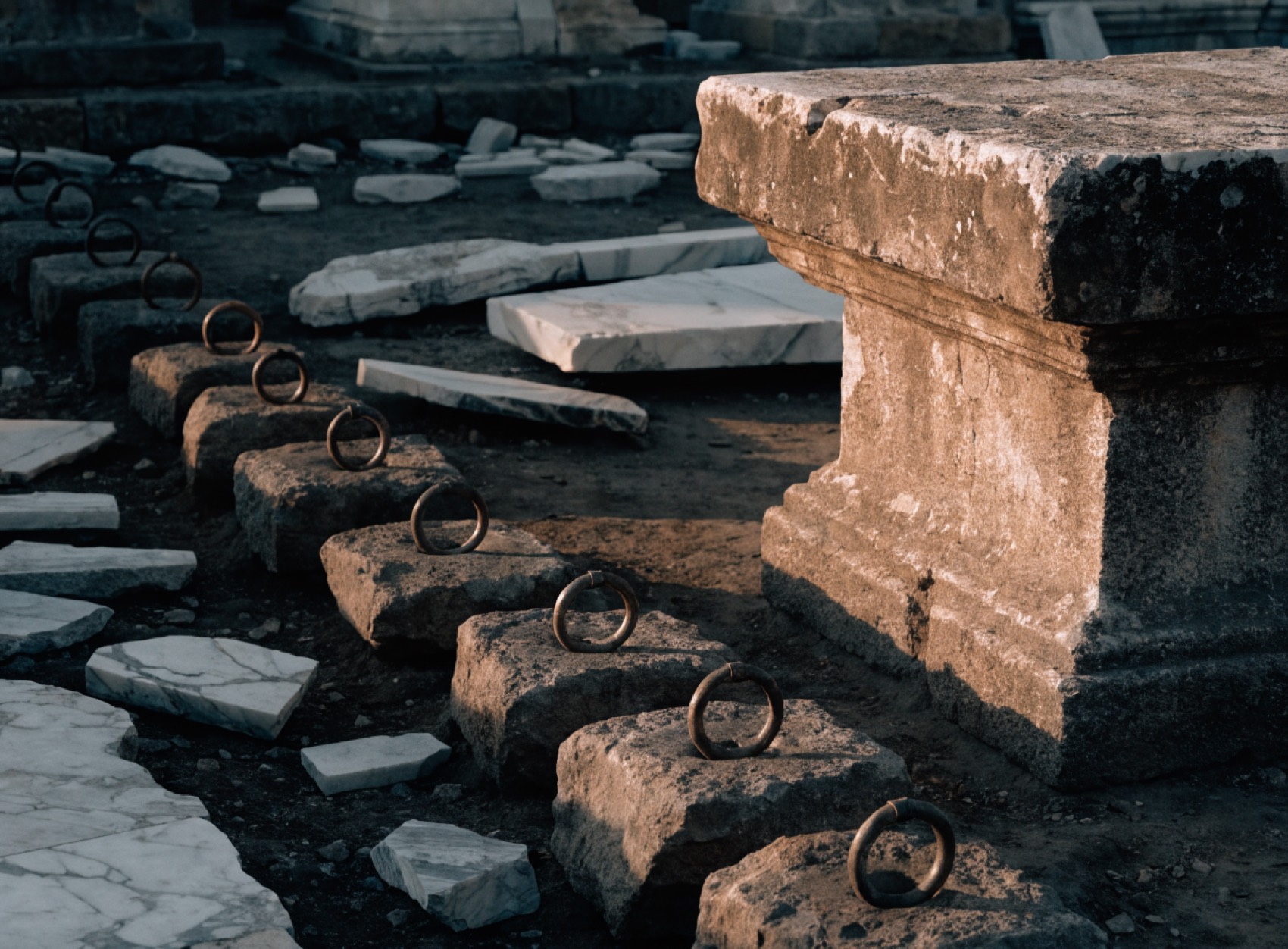
The round altar gives way to a monumental rectangular one, about 14.85 by 6 metres. The sanctuary begins to gain renown.
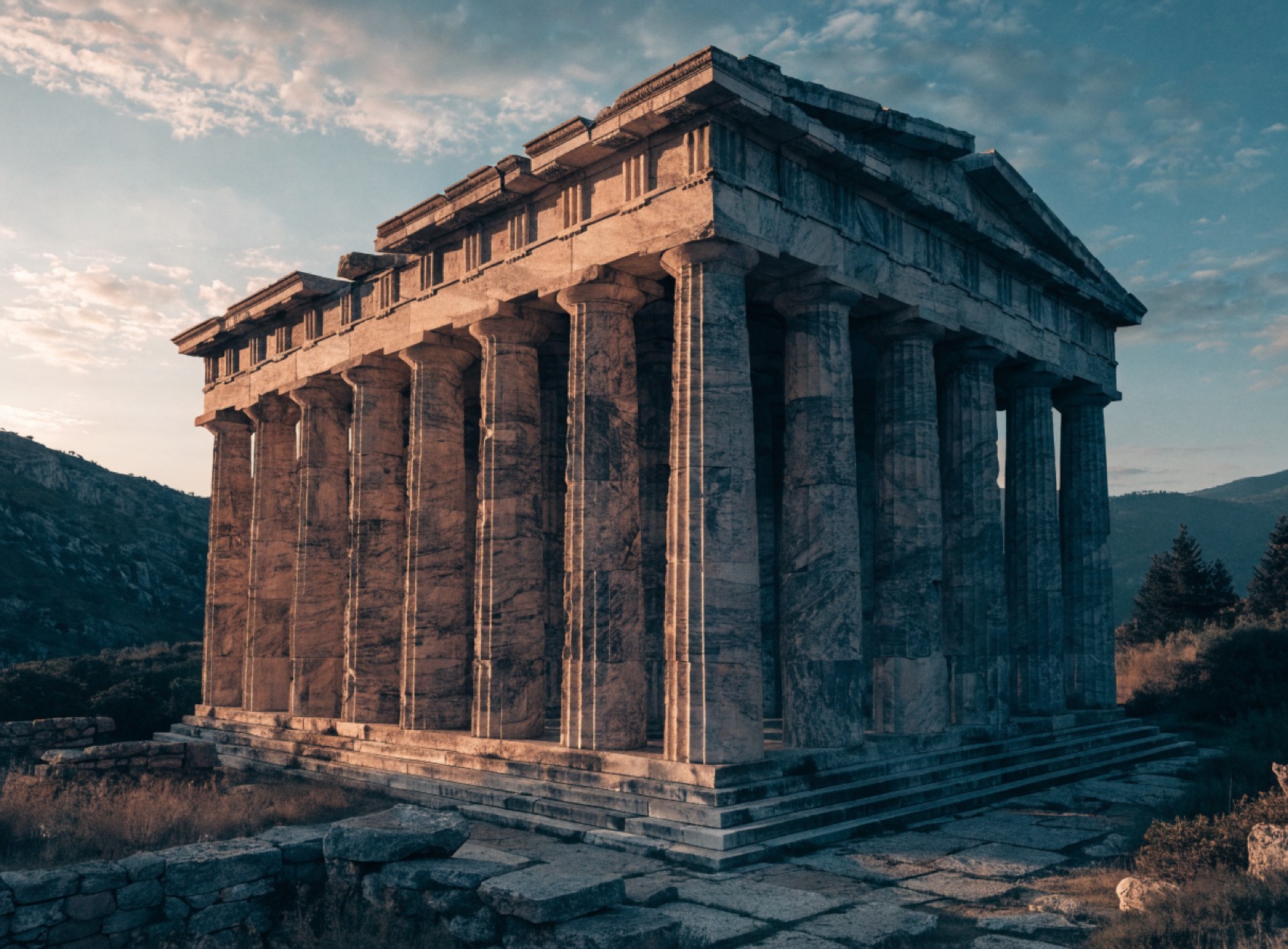
A monumental Doric temple and a labyrinthine adyton are built; the marble statues of Apollo, Artemis and Leto, over eight metres tall, rise within.
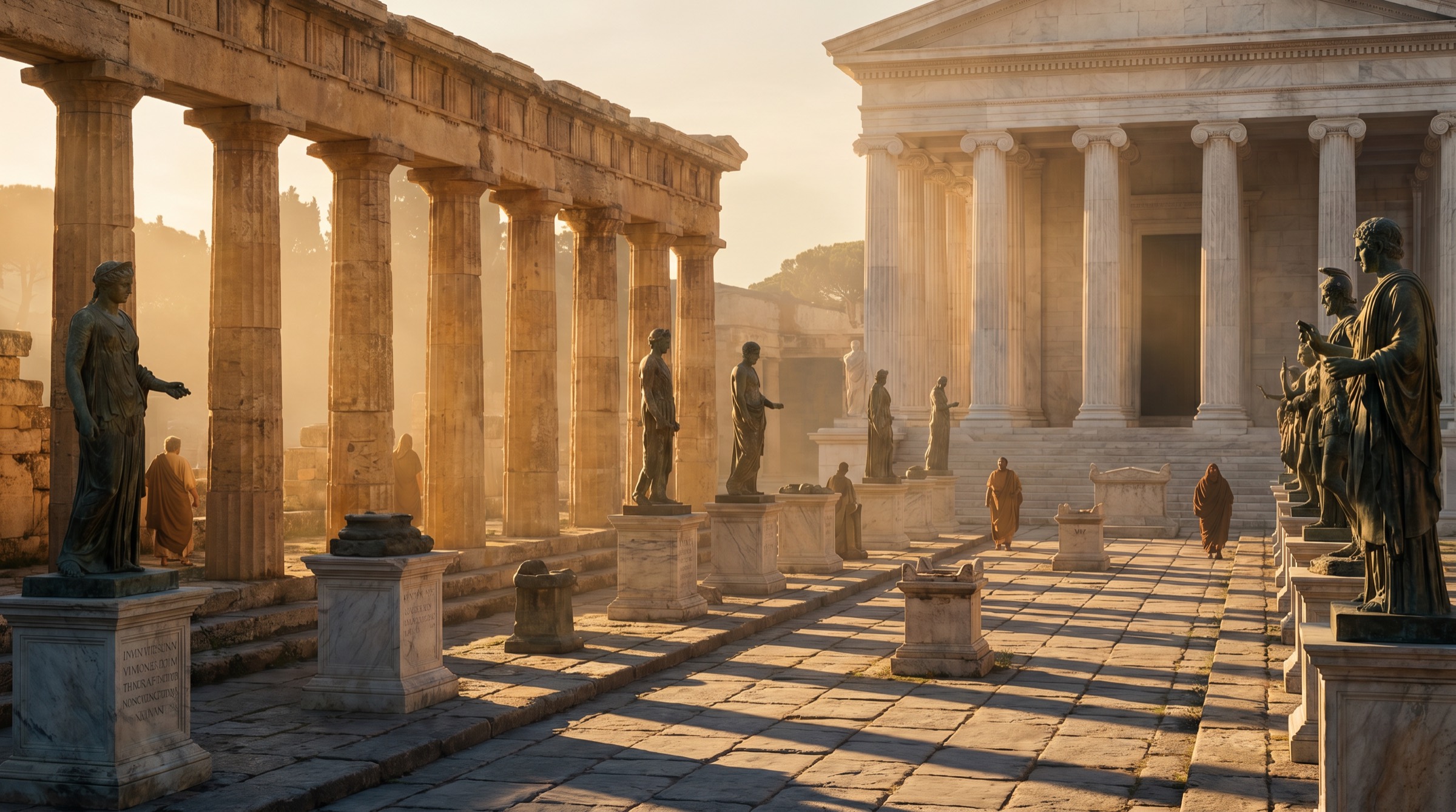
The oracle rivals Delphi and Didyma, with official delegations from North Africa to Britain. Thousands of votive inscriptions are carved into the columns.
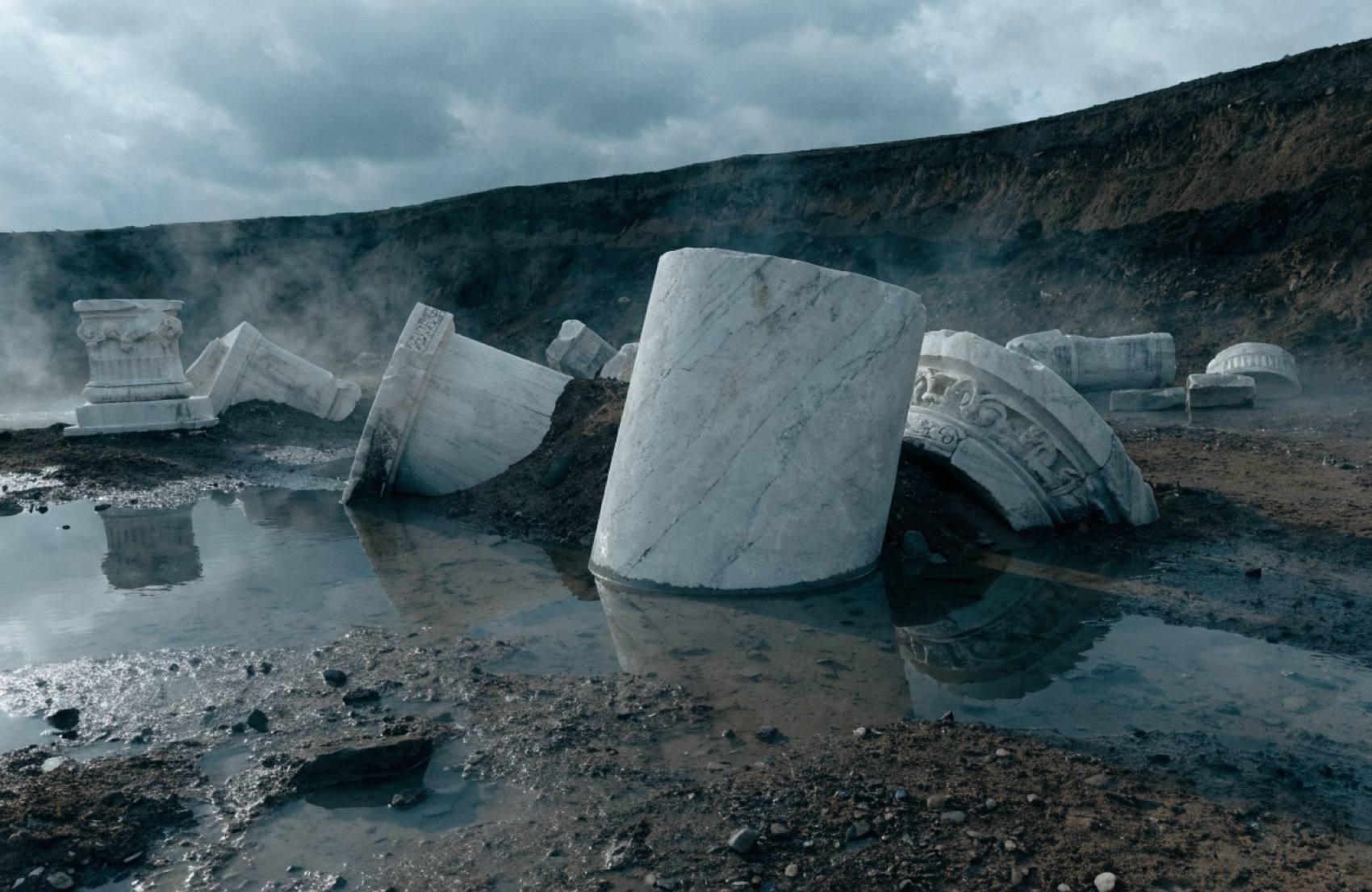
The spread of Christianity and the alluvium of the stream bury the sanctuary under metres of earth and water.
Germanicus, who died a year later, heard from the oracle of Klaros in 18 CE “dark hints and an early doom.”
As recorded by Tacitus
Manto, Mopsus and the voice of the god heard at midnight.